Culture
Slavic countries: which they are, how they differ and which are on the platform
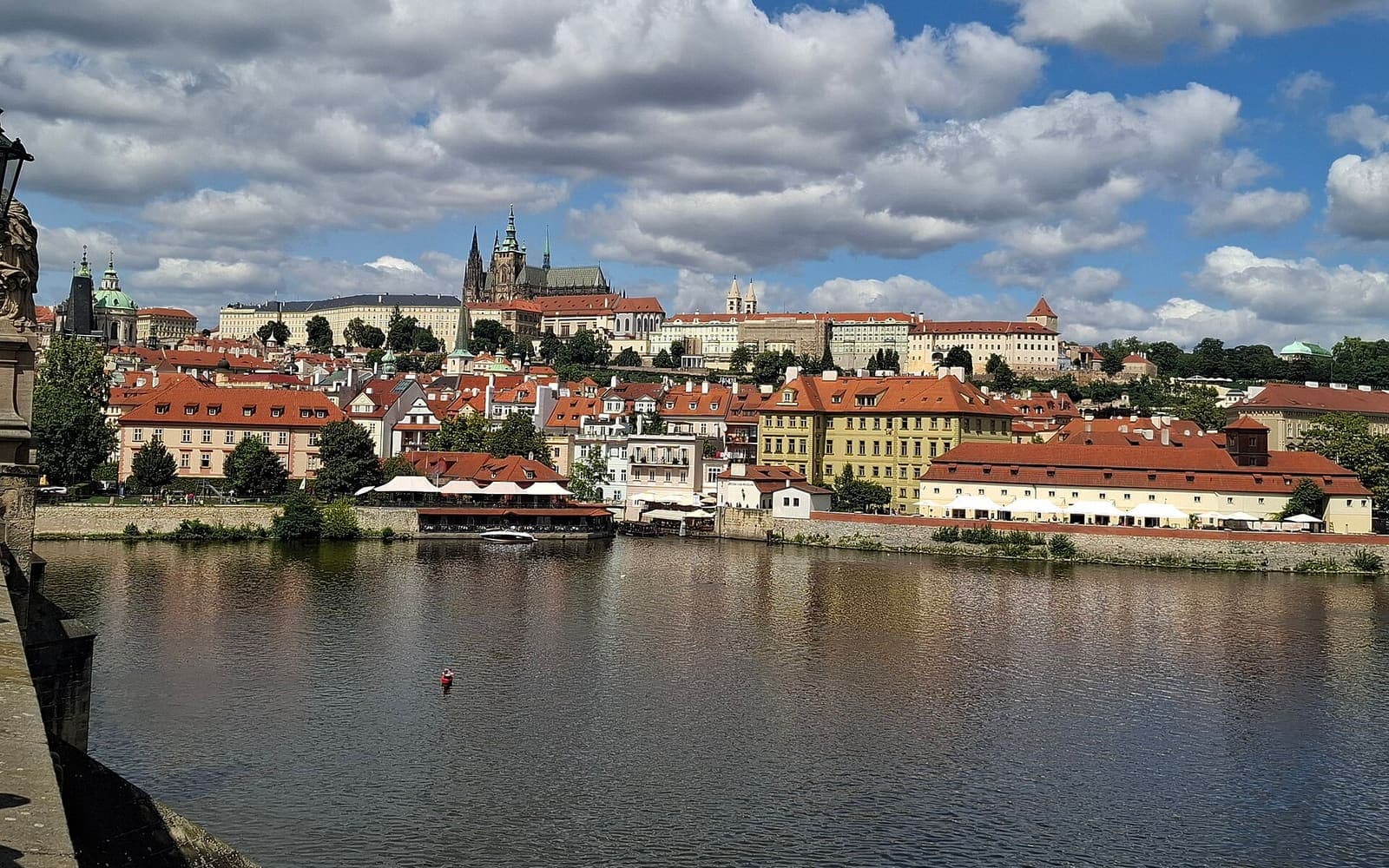
The answer to 'which countries are Slavic' is broader than most people think: Slavs are the largest language and culture family in Europe and form the majority in more than thirteen countries. This page first describes the Slavic peoples through geography, language, alphabet and religion, then explains which countries SlavicPartner covers and why, including two that are not Slavic at all.
In short: Slavic peoples fall into three groups. East Slavs are Ukrainians, Russians and Belarusians; West Slavs are Poles, Czechs and Slovaks; South Slavs are Serbs, Croats, Bosniaks, Slovenes, Bulgarians, Macedonians and Montenegrins. SlavicPartner focuses on the East Slavic countries (Ukraine, Russia, Belarus); Moldova and Kazakhstan are not Slavic countries but are on the platform because of the shared Russian language of communication and a closely related culture.
The three Slavic groups
Slavic languages are a branch of the Indo-European family, and because they are so close to one another they are studied in three geographic groups. Linguistic closeness does not mean cultural closeness: religion and history create large differences even within a single group.
| Group | Peoples and countries | Alphabet | Main religion |
|---|---|---|---|
| East Slavs | Ukrainians (Ukraine), Russians (Russia), Belarusians (Belarus) | Cyrillic | Orthodox Christianity; Greek Catholicism in western Ukraine |
| West Slavs | Poles (Poland), Czechs (Czechia), Slovaks (Slovakia), Sorbs (a minority in Germany) | Latin | Catholicism; a high share of non-religious people in Czechia |
| South Slavs | Serbs, Croats, Bosniaks, Slovenes, Montenegrins, Macedonians, Bulgarians | Cyrillic and Latin (by country) | Orthodoxy, Catholicism, and Islam among Bosniaks |
East Slavs: Ukraine, Russia, Belarus
The women Turkish men most often meet with marriage in mind come from these three countries. The reasons are geographic proximity, tourism and a long tradition of mixed marriages. The three languages are close but distinct: Ukrainian and Belarusian are separate languages, not 'dialects of Russian'. In Ukraine, Ukrainian and Russian are used side by side in daily life depending on the region; calling a Ukrainian woman 'Russian' is wrong and usually hurtful.
Orthodox Christianity predominates; the Greek Catholic tradition is strong in western Ukraine; and in all three countries a large share of people keep faith out of daily life. New Year is the biggest family holiday of the year in all three.
West and South Slavs
Poland, Czechia and Slovakia are members of the European Union, use the Latin alphabet and are culturally close to Central Europe. The South Slavs of the Balkans are unexpectedly close to Turkish culture because of Ottoman history: cuisine, music, family structure and thousands of shared words. Bosniaks are Muslim; Serbs, Montenegrins, Macedonians and Bulgarians mostly Orthodox; Croats and Slovenes Catholic.
SlavicPartner does not currently focus on these countries; the platform's coverage may expand according to member demand.
Why Moldova and Kazakhstan are on the platform: the honest answer
Moldova is not a Slavic country: its official language is Romanian and most of the population is of Romanian origin. Kazakhstan is not a Slavic country either: Kazakhs are a Turkic people and Kazakh is a Turkic language. Both countries are on the platform because of shared language and culture: in both, Russian is widely used as a language of communication, large communities of Slavic origin live there, and family culture is intertwined with that of the East Slavic countries. Moldova has an Orthodox tradition; Kazakhstan is a secular society where Islam and Orthodoxy live side by side.
That is why the platform uses 'from Slavic culture' in the broad sense: countries where a Slavic language, or Russian as a shared language, is part of everyday life. A member's nationality is shown separately on her profile; the 'Slavic' label is not imposed on anyone.
Common mistakes
The mistakes below can cause offence both in chat and when writing a profile.
- Calling a Ukrainian or Belarusian woman 'Russian'.
- Treating Ukrainian as a dialect of Russian.
- Treating all Slavic countries as one culture: a Polish woman and a Serbian woman have different holidays, religions and alphabets.
- Reducing 'a Slavic woman' to a physical type; being Slavic is about shared language and culture, not looks.
- Calling a Moldovan or Kazakh woman Slavic; neither is, and they usually want to correct it.
The connection with Turkey
Turkey's ties with the East Slavic countries are not new: Black Sea trade, centuries of relations between the Ottoman Empire and Russia, the tourism of the last fifty years and tens of thousands of mixed marriages. Antalya, Alanya, Istanbul and Mersin have large Russian-speaking communities, schools and associations. That is what keeps a spouse from Slavic culture from being alone in Turkey.
Frequently asked questions
Which countries are Slavic?
East: Ukraine, Russia, Belarus. West: Poland, Czechia, Slovakia. South: Serbia, Croatia, Bosnia and Herzegovina, Slovenia, Montenegro, North Macedonia, Bulgaria. Slavic peoples also live as minorities in neighbouring countries.
What does 'Slavic woman' mean?
A woman from a people that speaks one of the Slavic languages; it is a matter of shared language and culture, not a type of appearance. Ukrainian, Russian, Belarusian, Polish, Serbian and Bulgarian women fit the definition.
Is Moldova a Slavic country?
No. Moldova's official language is Romanian. Because Russian is widely used as a shared language and communities of Slavic origin live there, the country is culturally close to the East Slavic countries.
Is Kazakhstan a Slavic country?
No. Kazakhs are a Turkic people. Russian is widely used in the country and a large community of Russian origin lives there, which is why it is on the platform.
Women from which countries can join SlavicPartner?
Women members can be citizens of Ukraine, Russia, Belarus, Moldova and Kazakhstan; nationality is shown separately on the profile. Coverage may expand according to member demand.
Read next
Country and nationality are open on the profile, intent is stated at sign-up
Meet people who registered with the intention to marry; a compatibility test and two-way translation. Free for women.
Create a profile